Water Damage Restoration in Wilmington, NC
Water damage restoration services involve the process of assessing, cleaning, and repairing properties affected by water intrusion. This can include damage caused by leaks, flooding, burst pipes, or appliance failures. Projects typically cover areas such as basements, kitchens, bathrooms, and other parts of a home where water may seep in or accumulate. Property owners often want to understand the scope of the restoration, including moisture removal, mold prevention, and structural drying, to ensure their home is thoroughly restored and protected from future issues.
Before requesting water damage restoration, homeowners should consider the extent of the damage and whether there has been prolonged exposure to moisture. It’s important to identify the source of water intrusion and determine if any electrical or structural components are affected. Clear communication about the affected areas and the urgency of the situation can help ensure an appropriate response. Understanding these aspects can assist property owners in making informed decisions about restoring their home efficiently and effectively.
Many property owners in Wilmington, NC look into Water Damage Restoration for repairs, replacements, upgrades, and appearance-related improvements.
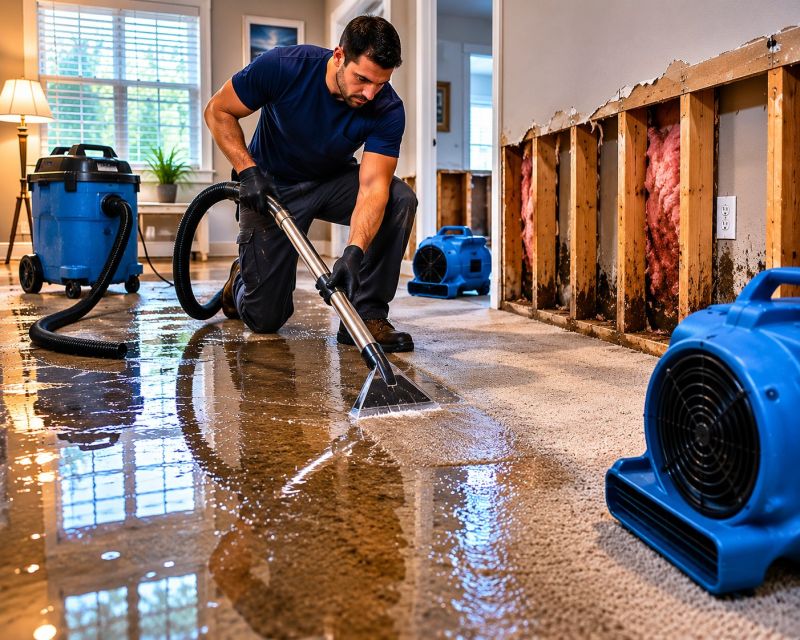
Water Damage Assessment
Thorough inspections identify the extent of water intrusion and hidden damage in properties around wilmington.
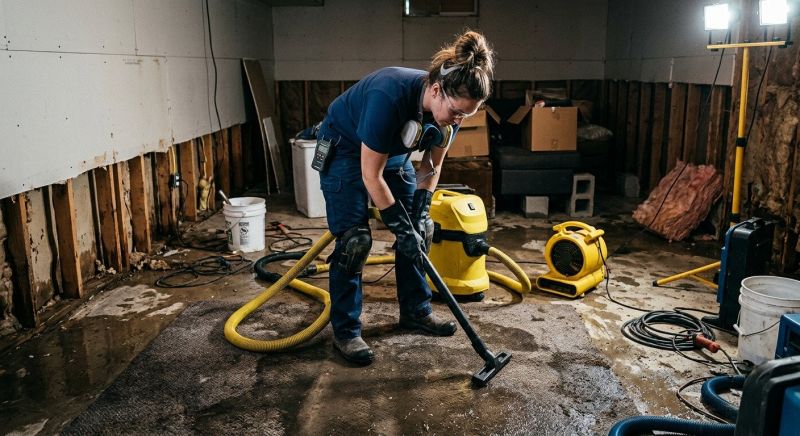
Structural Drying & Dehumidification
Effective drying techniques help restore the integrity of walls, floors, and belongings after water exposure.
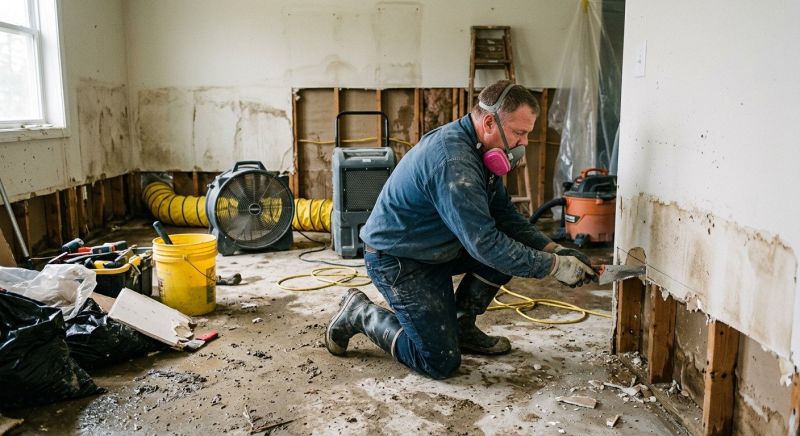
Mold Prevention & Cleanup
Prompt removal and treatment prevent mold growth and protect indoor air quality in affected areas.
Water Damage Restoration in Wilmington, NC
Water damage restoration services involve the process of assessing, cleaning, and repairing properties affected by water intrusion. This can include damage caused by leaks, flooding, burst pipes, or appliance failures. Projects typically cover areas such as basements, kitchens, bathrooms, and other parts of a home where water may seep in or accumulate. Property owners often want to understand the scope of the restoration, including moisture removal, mold prevention, and structural drying, to ensure their home is thoroughly restored and protected from future issues.
Before requesting water damage restoration, homeowners should consider the extent of the damage and whether there has been prolonged exposure to moisture. It’s important to identify the source of water intrusion and determine if any electrical or structural components are affected. Clear communication about the affected areas and the urgency of the situation can help ensure an appropriate response. Understanding these aspects can assist property owners in making informed decisions about restoring their home efficiently and effectively.
Many property owners in Wilmington, NC look into Water Damage Restoration for repairs, replacements, upgrades, and appearance-related improvements.
Common Water Damage Restoration Jobs
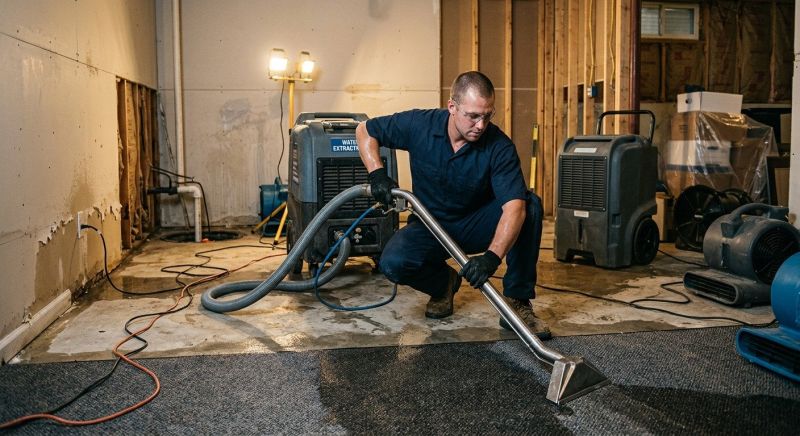
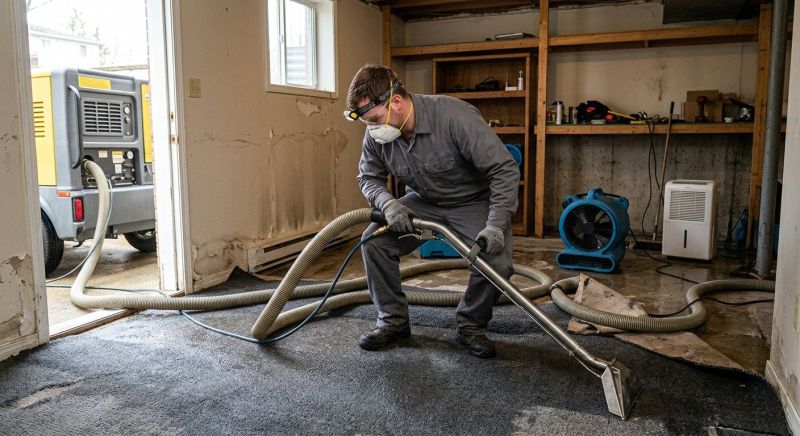
Water extraction - removing standing water to prevent further damage and mold growth.
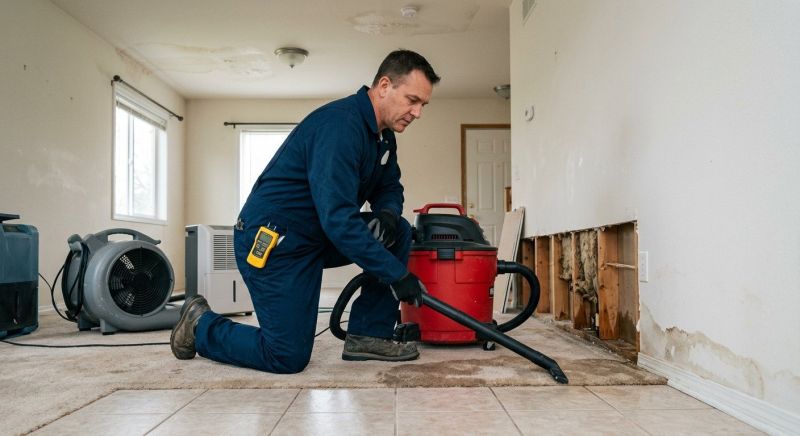
Structural drying - thoroughly drying walls, floors, and ceilings affected by water intrusion.
Mold remediation - identifying and removing mold caused by water damage to ensure a healthy environment.
Content drying and restoration - salvaging and restoring personal belongings and furniture impacted by water.
Leak detection and repair - locating and fixing sources of water intrusion to prevent future damage.
Cleanup and sanitization - disinfecting affected areas to eliminate bacteria and restore safety.
Water Damage Restoration Questions
What causes water damage in homes? Water damage can result from leaks, burst pipes, roof leaks, or flooding, leading to moisture intrusion into building materials.
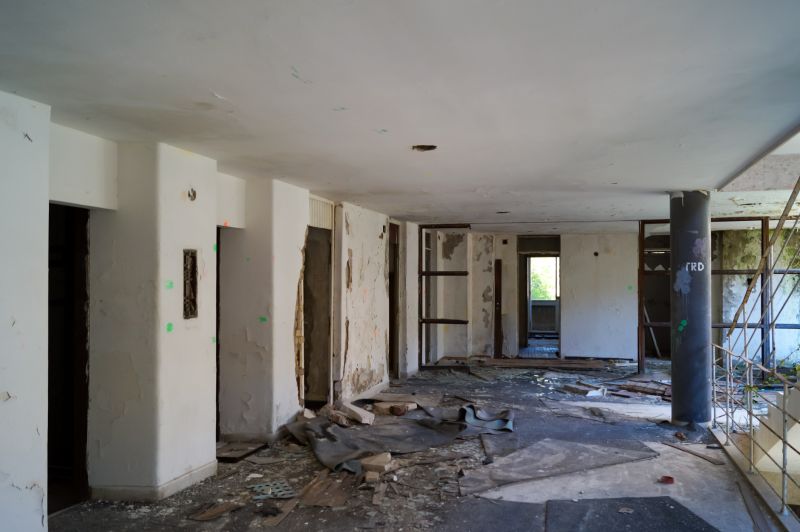
How can water damage affect a property? Water damage can weaken structures, promote mold growth, and cause staining or deterioration of walls, floors, and belongings.
What are common signs of water damage? Signs include discoloration, musty odors, warped surfaces, and visible water or dampness in walls and ceilings.
What is the first step after discovering water damage? The initial step is to remove excess water and dry affected areas to prevent further damage and mold growth.
Request Water Damage Restoration in Wilmington, NC
Use the quote form on this page to share the basics of your project and request more information for the type of work you need.